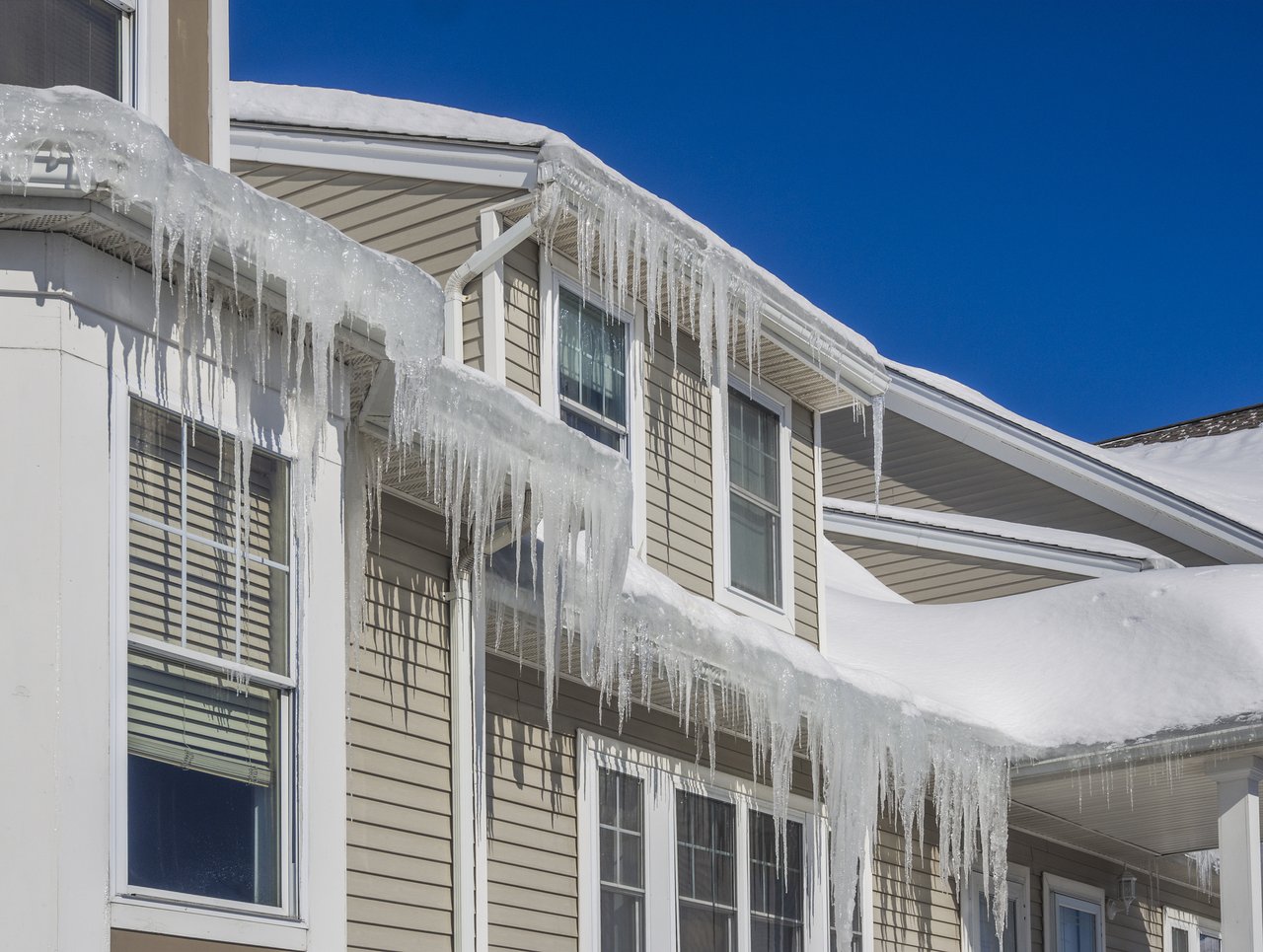
Winter in Massachusetts is beautiful… until it starts testing your roof.
From Norwell to Newton, Scituate to Somerville, heavy snow followed by freezing temperatures can create the perfect conditions for ice dams—and if left untreated, they can cause serious (and expensive) damage to your home.
At The Jenkins Group, we believe homeownership isn’t just about buying and selling—it’s about protecting your investment. Here’s what you need to know this winter.
What Is an Ice Dam?
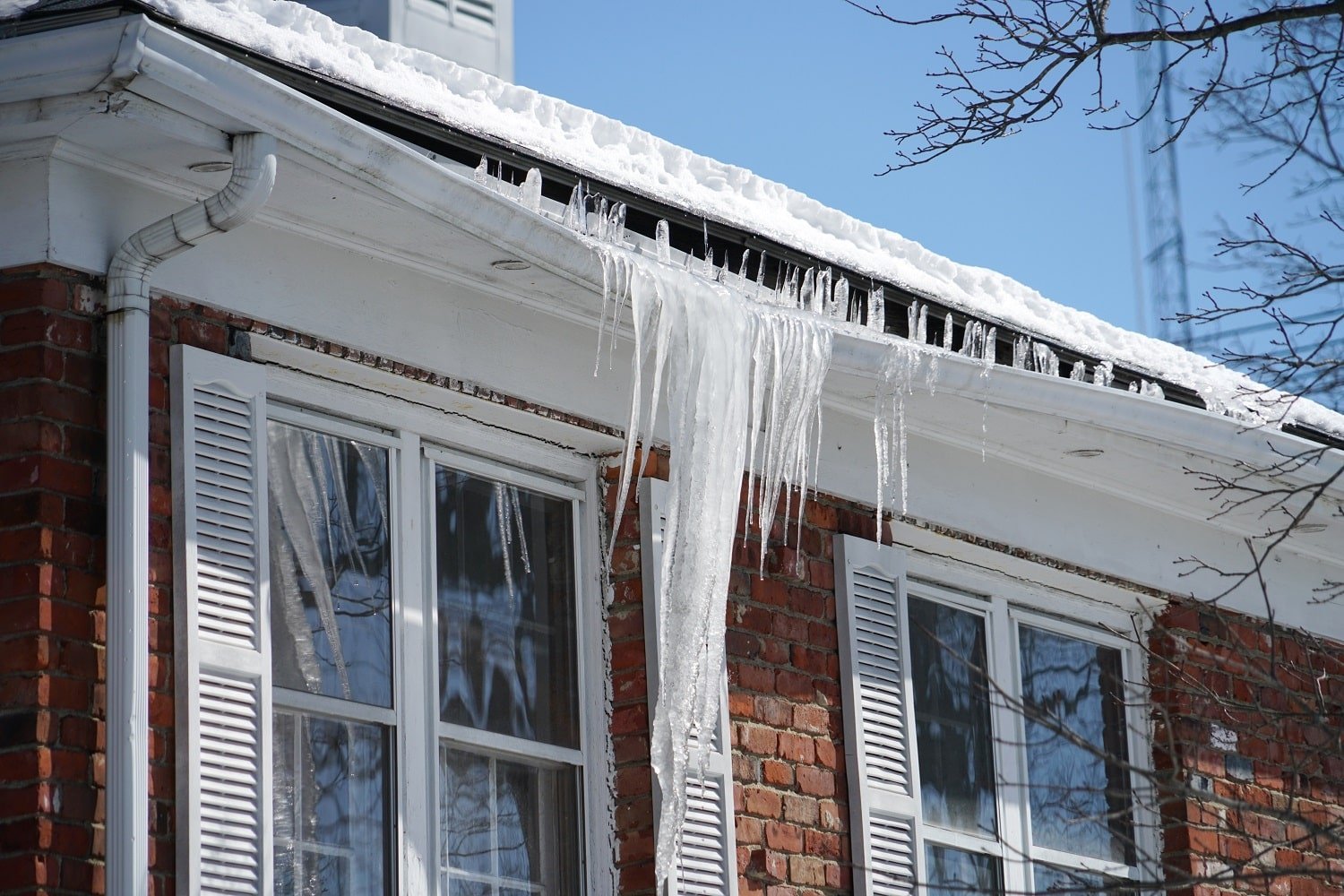
An ice dam forms when melting snow refreezes at the edge of your roofline. As snow melts, water runs down your roof—but when it hits colder edges or gutters, it freezes into ice.
Without proper snow removal, that ice can build up into a ridge that blocks additional melting snow from draining properly. When water has nowhere to go, it can back up under shingles and into your home.
And in Greater Boston’s freeze-thaw cycles? This can happen quickly.
How to Tell If You Have an Ice Dam
Most ice dams develop along the edge of the roof, but depending on your home’s slope and orientation, they can form elsewhere.
Here’s what to look for:
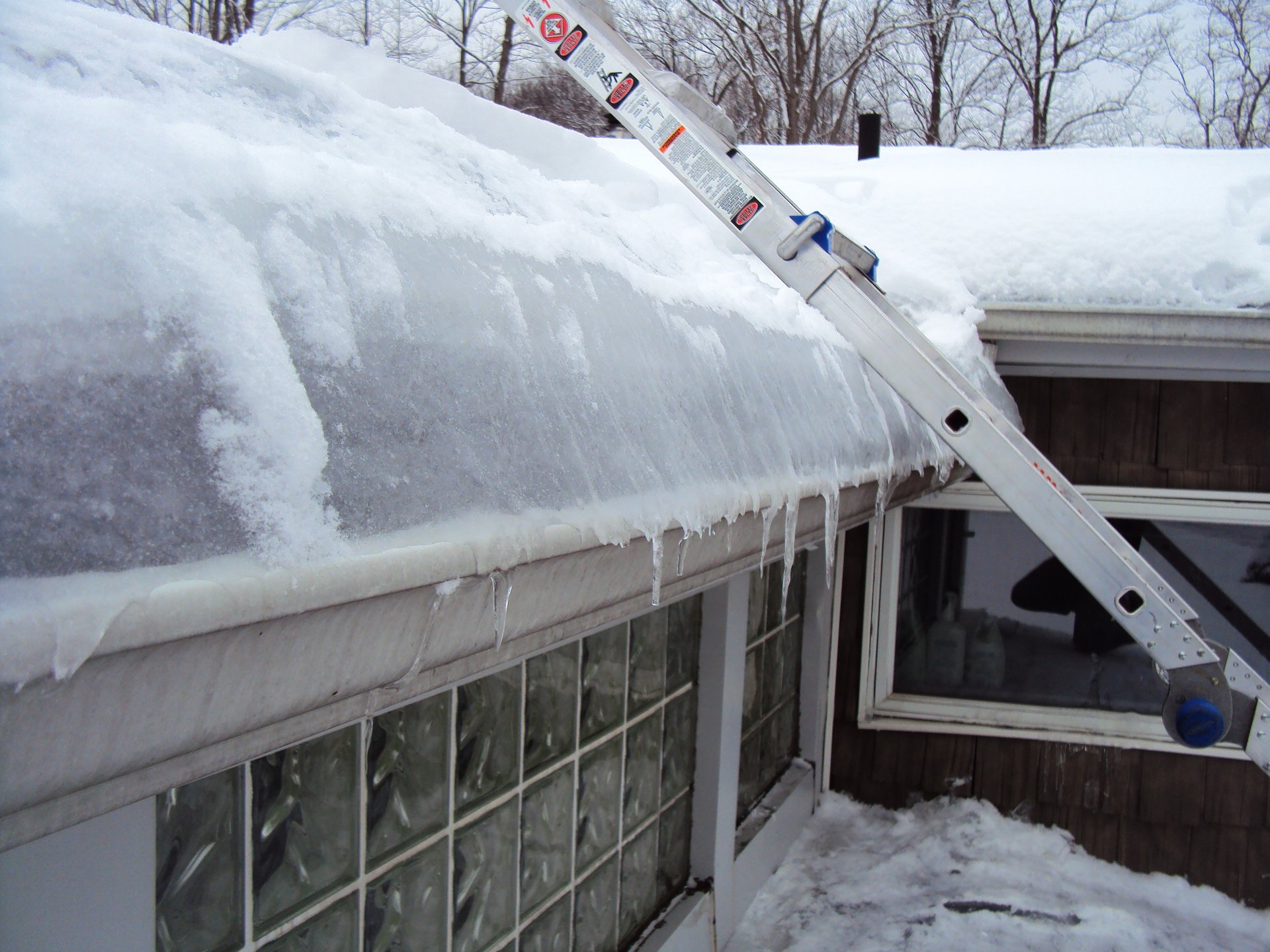
1. Large Icicles
If icicles are only hanging from gutters and there’s no water trapped behind them, you likely don’t have an ice dam yet.
However, icicles can be a warning sign. In fact, they’re often a precursor to larger ice buildup.
⚠️ Important: Icicles can also be dangerous if they fall. If you can safely remove them from the ground, do so—but never stand directly beneath them. If they’re out of reach, hire a professional.
2. Water Stains or Moisture Indoors
Check your attic and ceilings along exterior walls.
-
Water stains
-
Damp insulation
-
Peeling paint
-
Dripping water
These may indicate water has backed up under the roof membrane due to an ice dam.
If you see interior moisture, it’s time to act quickly.
How to Safely Remove an Ice Dam
Addressing an ice dam early can help prevent costly repairs to roofing, insulation, drywall, and flooring.
Here’s one effective method using calcium chloride:
Step 1: Remove Excess Snow
Use a roof rake to remove snow 3–4 feet up from the edge of the roof.
Be careful not to damage shingles. Also ensure snow is not blocking walkways or emergency exits.
Step 2: Use Calcium Chloride (Not Rock Salt)
Purchase a calcium chloride ice melt product from your local hardware store.
Do not use rock salt or sodium chloride—these can damage your roof.
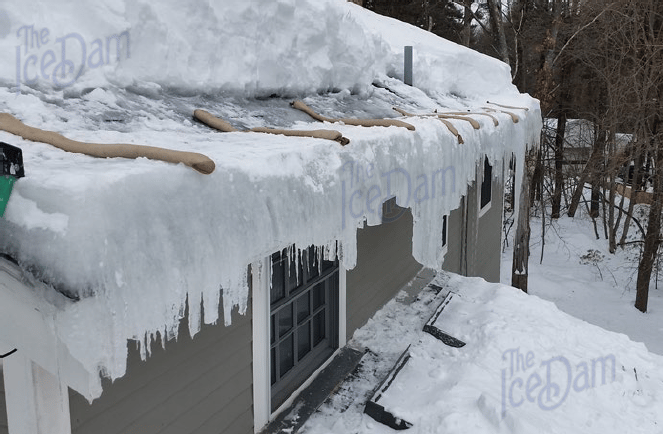
Step 3: Fill a Nylon Stocking
Fill a nylon stocking with calcium chloride.
Step 4: Position It Vertically
Place the filled stocking vertically across the ice dam. This will help melt a channel through the ice, allowing trapped water to drain.
Step 5: Protect Landscaping
Cover shrubs and plants near gutters or downspouts with lightweight tarps. The calcium chloride runoff can damage landscaping.
Safety First
Using ladders in icy conditions can be dangerous. If you can’t safely access the roof from the ground, we strongly recommend hiring a licensed contractor.
Protecting your home is important—but so is protecting yourself.
Why This Matters for South Shore & Greater Boston Homeowners
Older New England homes—especially those with:
-
Less insulation
-
Inconsistent attic ventilation
-
Complex rooflines
-
North-facing exposures
…can be especially vulnerable to ice dams.
If you’re unsure whether your home is properly insulated or ventilated, this may be a good time to have a professional evaluate it before the next big storm hits.
Protecting Your Home = Protecting Your Investment
Your home is likely your largest asset. Preventative maintenance during our Massachusetts winters can save thousands in long-term repair costs.
If you ever notice signs of damage—or if you’re preparing to sell and want to make sure your home is winter-ready—we’re always here as a resource.
At The Jenkins Group, we don’t just help you move.
We help you maintain, protect, and maximize your investment for the long run.
Stay warm, stay safe, and if you need anything—we’ve got you covered.